The Artistic Process Behind Creating Oil Paintings
- Zhenming Gong
- 5 days ago
- 4 min read

When you think about capturing the essence of a beloved pet, a simple photo often feels too fleeting. You want something timeless, something that speaks to the soul. That’s where the art of creating oil paintings comes in. It’s a journey that transforms a moment into a masterpiece. I want to take you through this fascinating process, step by step, so you can appreciate the care and skill behind every brushstroke.
The Journey of Creating Oil Paintings: From Photo to Canvas
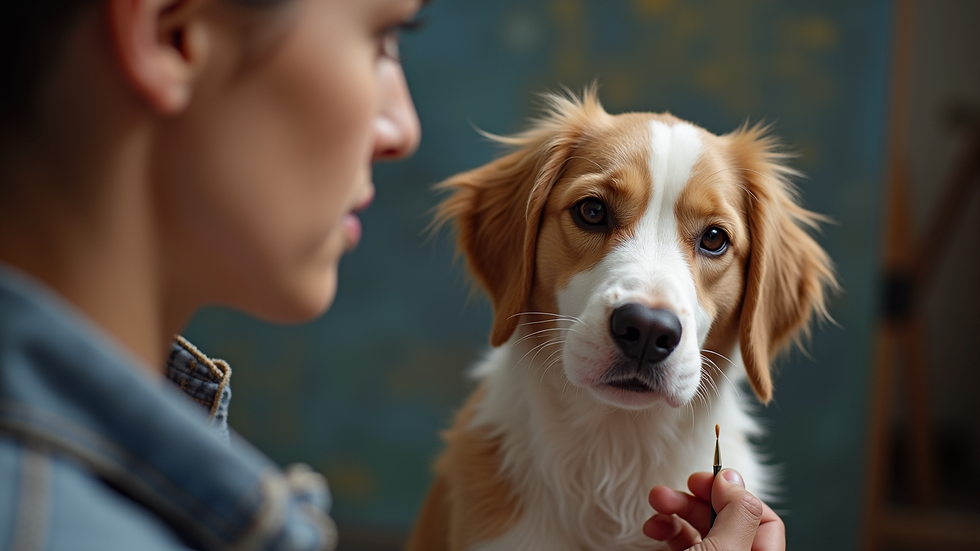
Creating oil paintings starts with a photograph. This is your pet’s personality frozen in time. But the magic happens when an artist interprets that photo with paint and canvas. The first step is selecting the right image. It should capture your pet’s character - their eyes, posture, and unique features.
Once the photo is chosen, the artist sketches the outline on the canvas. This is the blueprint. It’s simple but crucial. The sketch ensures the proportions and composition are just right. After that, the real fun begins - layering the paint.
Oil paint is special because it dries slowly. This gives the artist time to blend colors smoothly and add depth. They start with the background, then move to the main subject. Each layer adds richness and texture. You can almost feel the fur, the softness, and the warmth of your pet coming alive.

The artist uses different brushes and techniques to create details. For example, fine brushes for whiskers and eyes, broader strokes for fur and shadows. This attention to detail is what makes each painting unique and full of life.
Essential Techniques for Creating Oil Paintings That Last
To create oil paintings that stand the test of time, artists rely on several key techniques. First, they prepare the canvas with a primer. This seals the surface and prevents the paint from soaking in too much. It also helps the colors stay vibrant.
Next, the artist uses a method called “underpainting.” This is a monochrome version of the painting, usually in shades of brown or gray. It sets the values - the lights and darks - and guides the final layers. This step is like laying the foundation of a house. Without it, the painting won’t have depth.
Blending is another important technique. Because oil paint dries slowly, the artist can mix colors directly on the canvas. This creates smooth transitions and realistic textures. For example, blending different shades of brown and black to mimic the shine and softness of a pet’s coat.
Finally, glazing adds a translucent layer of color over dry paint. This enhances luminosity and richness. It’s like adding a filter that makes the painting glow from within.

Is oil painting hard for beginners?
If you’re new to painting, you might wonder if oil painting is too difficult to start. The truth is, it can be challenging but also very rewarding. Oil paint’s slow drying time gives you flexibility. You can fix mistakes and experiment with blending.
However, beginners need patience. Learning to control the brush, mix colors, and layer paint takes practice. Start with simple subjects and focus on mastering basic techniques like underpainting and glazing.
Also, proper ventilation and safe handling of materials are important. Oil paints often contain solvents and chemicals, so working in a well-ventilated space is a must.
If you want to try, invest in good quality brushes and paints. Cheap materials can frustrate you and affect your results. Take your time, watch tutorials, and don’t be afraid to make mistakes. Every stroke teaches you something new.
Why Choose a Hand-Painted Oil Portrait for Your Pet?
A hand-painted oil portrait is more than just decoration. It’s a tribute to the bond you share with your pet. Unlike digital prints or mass-produced art, each painting is a one-of-a-kind masterpiece. It carries the artist’s passion and your pet’s spirit.
Oil paintings have a timeless quality. The rich textures and vibrant colors don’t fade easily. They become heirlooms that tell stories for generations. Whether you want to celebrate a birthday, commemorate a milestone, or honor a pet who has passed, an oil portrait is a meaningful choice.
Moreover, these paintings add soul to your living space. They are conversation starters and emotional anchors. Interior decorators often recommend original art to elevate a room’s atmosphere. A custom pet portrait fits perfectly in this role.
Bringing Your Vision to Life: Tips for Commissioning a Custom Oil Painting
If you decide to commission a custom oil painting, here are some tips to ensure the process goes smoothly:
Choose the right artist - Look for someone who specializes in pet portraits and has a portfolio that resonates with you.
Provide high-quality photos - Clear, well-lit images showing your pet’s personality help the artist capture the essence.
Communicate your vision - Share details about your pet’s character, favorite poses, and any special requests.
Discuss size and framing - Decide where you want to display the painting and choose dimensions accordingly.
Set a realistic timeline - Oil paintings take time. Be patient and allow the artist to work their magic.
Review progress updates - Many artists send photos during the process. This helps you stay involved and suggest adjustments if needed.
By following these steps, you’ll get a beautiful, personalized artwork that you’ll cherish forever.
Creating a custom oil painting is a journey of love and artistry. It bridges the gap between a simple photo and a living memory. Whether you want to celebrate your pet’s life or find a unique gift, this timeless art form offers something truly special. If you want to explore more about oil painting, you’ll find endless inspiration and techniques to appreciate.
Your pet deserves more than a snapshot. They deserve a masterpiece.


Comments